
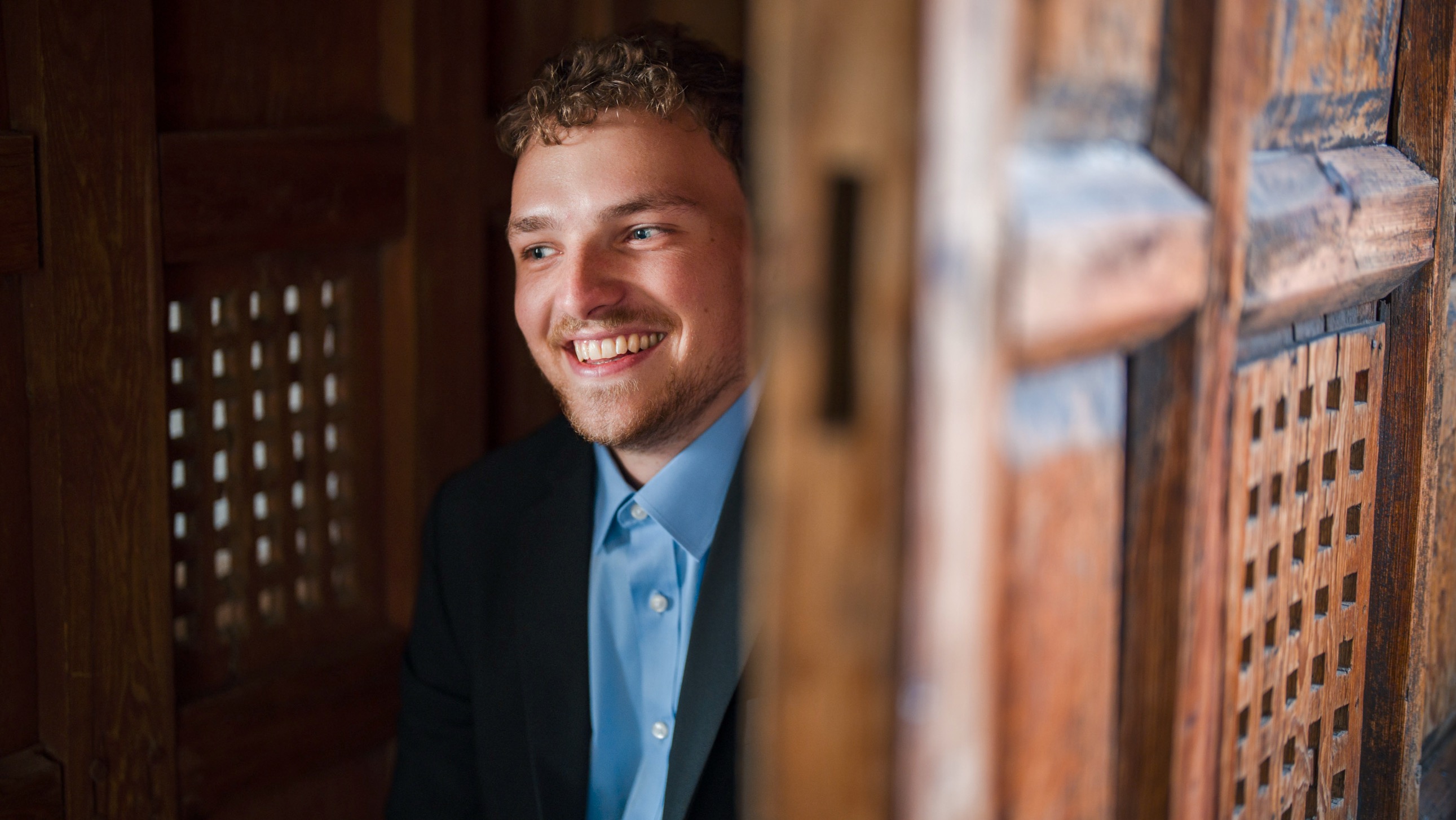
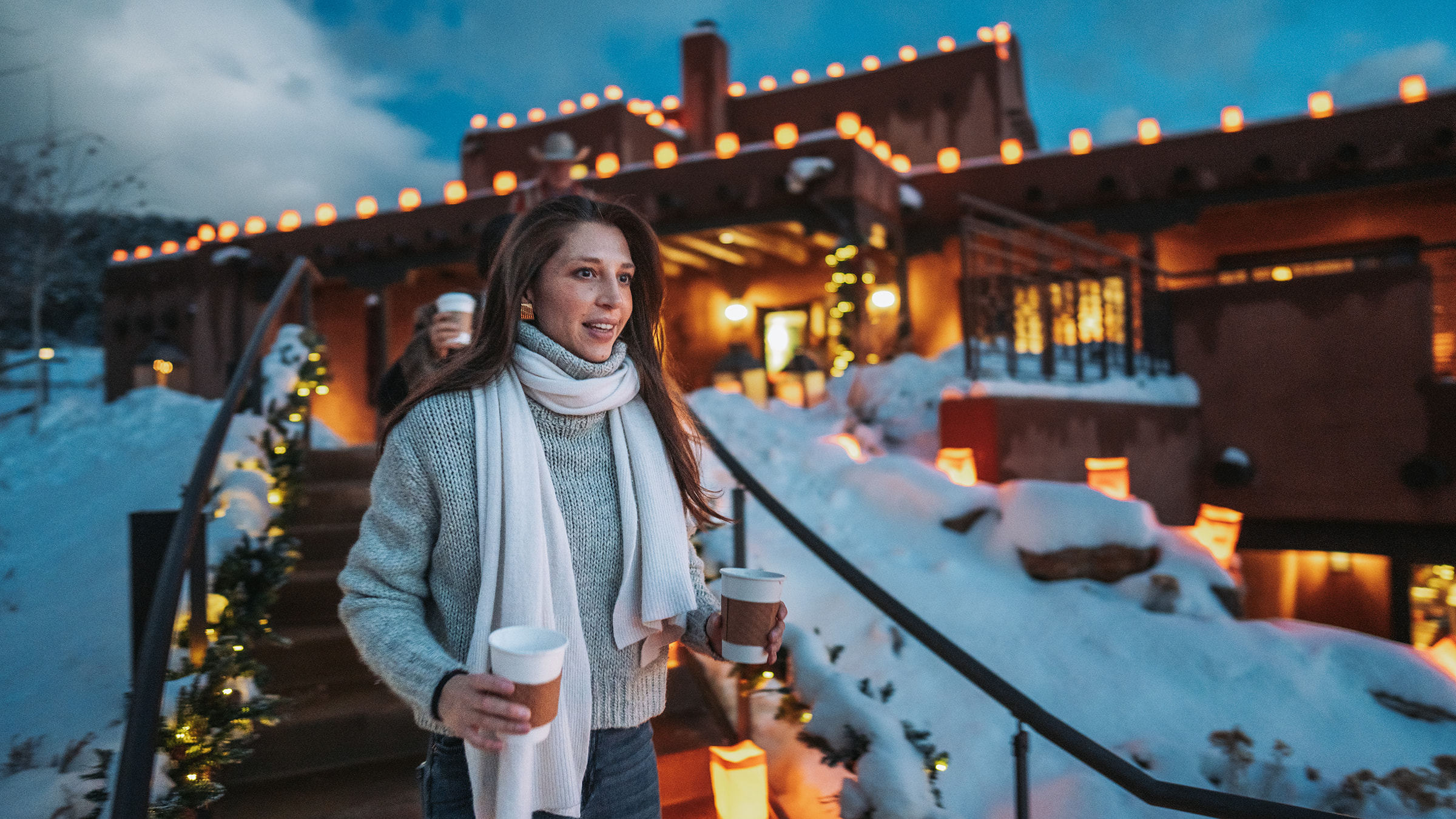
Bishop's Lodge, Santa Fe. Late afternoon light, no direction.
Light is everything
Most photography advice focuses on gear: what camera, what lens, what settings. None of that matters nearly as much as where the light is coming from and what it's doing to the subject.
On a wedding day, you don't get to control the light. You get to find it. That means knowing what time the ceremony garden gets direct sun, where the open shade falls on the venue grounds, and which windows in the reception hall give you something soft to work with.
In New Mexico, you're working with some of the best light in the country. High altitude, clean air, golden hours that last forever. The hard part is not wasting it.
What I look for: Light coming from one direction. Soft enough to flatter faces, directional enough to give dimension. Open shade is almost always the answer outdoors.
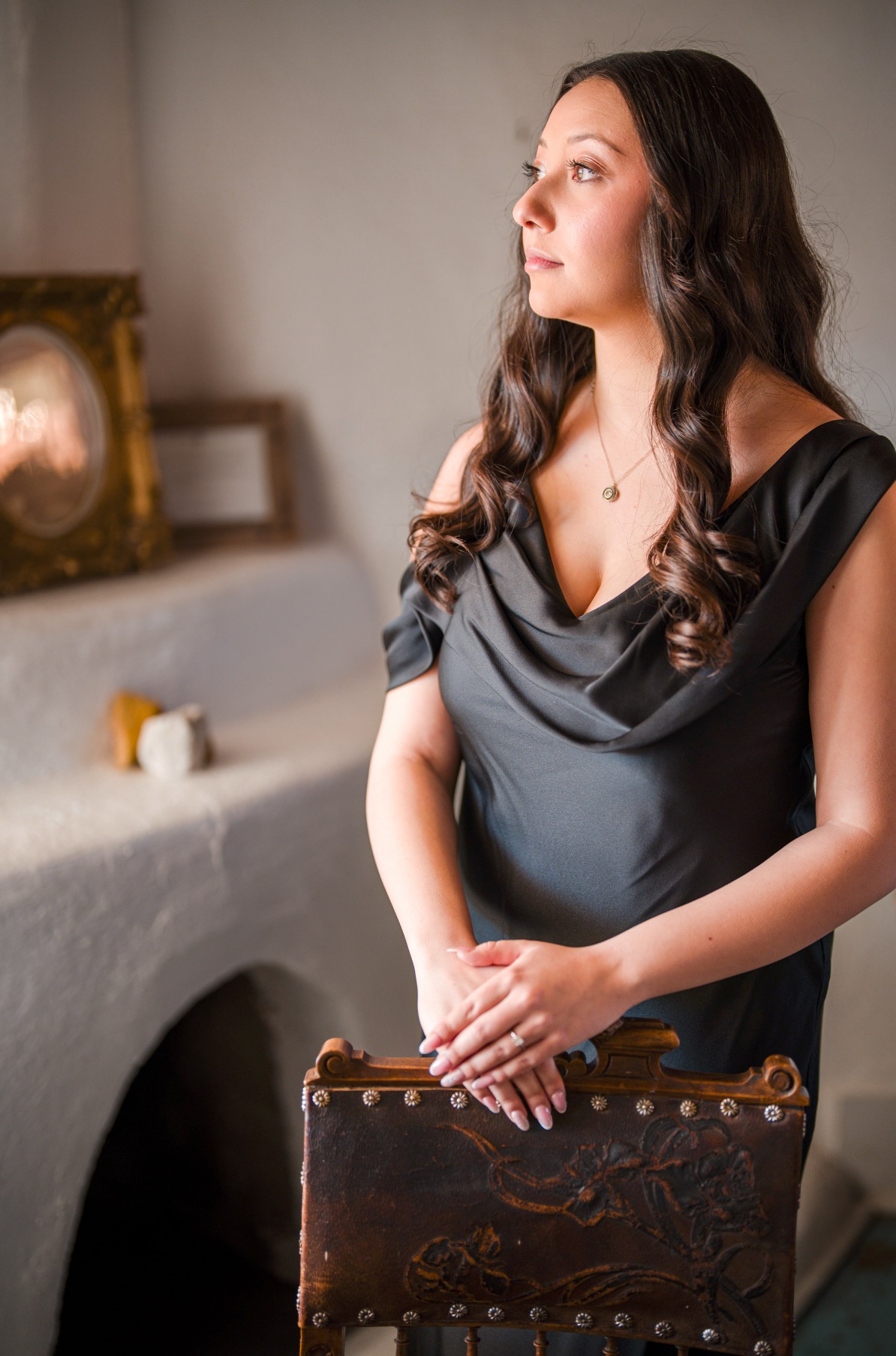
Bishop's Lodge, Santa Fe. Late afternoon light.
Timing beats everything else
The difference between a great wedding photo and a missed one is usually about two seconds. Either you anticipated where the moment was going, or you didn't.
Anticipation comes from watching people. Where are they looking? Who are they gravitating toward? What's about to happen? The camera is almost secondary to that read.
At a ceremony, I'm not watching the couple — I'm watching everyone else. The parents, the wedding party, the guests. The couple's moment will happen. The reaction happening 15 feet away is the one I might miss.
The three things a photo needs
A subject
Sounds obvious. It's not. A lot of wedding photos have a subject somewhere in the frame but don't commit to them. The background is too busy, the framing is too loose, nothing draws your eye. Every frame should have one clear answer to the question: what is this a picture of?
Separation
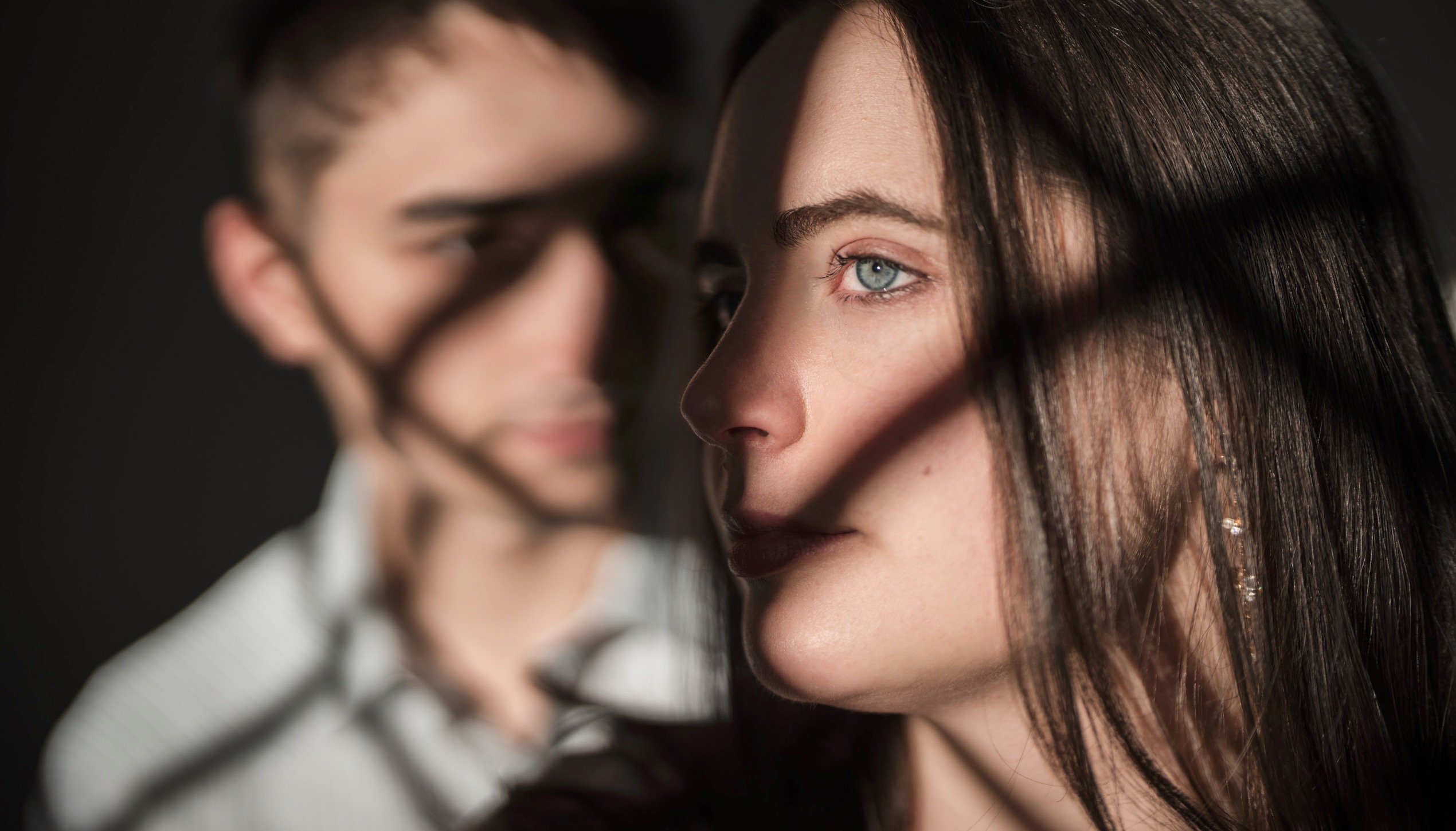
The subject needs to read clearly against whatever is behind them. This is why aperture matters — not for the "bokeh," but for separation. Shooting a couple against a wall of people at a reception, you need them to pop off the background or the frame reads as chaos.
You can also create separation with light. A subject lit from behind or from the side separates from a darker background automatically.
A moment
Even technically perfect photos are forgettable without this. A perfectly exposed, perfectly composed image of two people standing and smiling is still just two people standing and smiling. What's happening in the frame?
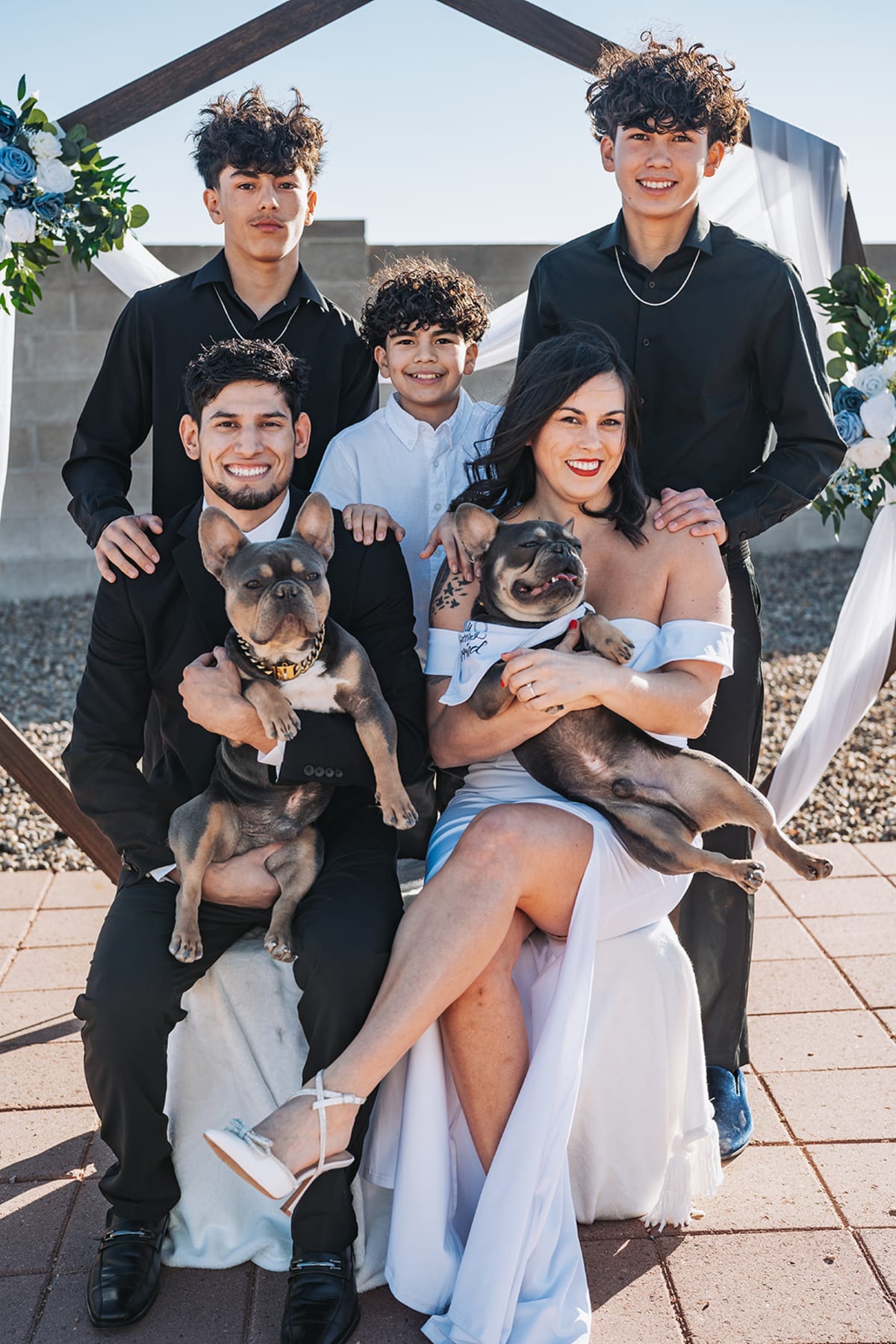
Ghost Ranch, Abiquiu. The ceremony lasted eleven minutes. This was minute four.
On composition
Rule of thirds, leading lines, negative space — all real, all useful, but none of them are rules you follow consciously while shooting. They're patterns your eye learns to see.
The more useful thing to think about: what can I remove from this frame? Every distracting element in the background is competing with your subject. Back up. Move left. Get lower. Find an angle where the scene simplifies.
At a wedding, you often can't move people or change your environment. What you can control is your position, your height, and when you press the shutter.
The part nobody talks about: getting out of the way
Documentary photography isn't just a style — it's a discipline. It means staying invisible long enough for people to forget you're there. Once they forget, you start getting real expressions, real interactions, real moments.
The biggest mistake I see from photographers trying to "capture" a day is doing too much. Directing, repositioning, narrating. All of that creates self-consciousness in the subjects, and self-consciousness is the enemy of a good photo.
Move quietly. Shoot a lot. Don't announce yourself. When something is happening, be near it. When nothing is happening, disappear.
None of this is about the camera. I've made photos I like on a phone and thrown away thousands from a full-frame system. The equipment is not the thing.
What this means for your wedding day
If you're hiring a photographer, the question to ask isn't "what gear do you shoot?" It's: do you know where the light is going to be? How do you work when things don't go as planned? Can you show me work from low-light receptions?
Ask to see a full gallery, not just the best 30 shots. Any photographer looks good in a highlight reel. What does their coverage look like when the light is bad, the timeline is running late, and the dance floor is packed?