
People ask me this question more than any other. They have a deposit down on a venue, or they are choosing between two months, and they want to know: when should we do this? The honest answer is that every season in Santa Fe gives you something worth working with. But every season also hands you a problem to solve. After years of photographing and filming weddings across northern New Mexico, I have opinions. Strong ones.
Here is what I tell every couple, regardless of how many guests they are hosting or whether they are eloping at Ghost Ranch or throwing a 200-person celebration at Bishop's Lodge. The best time of year for outdoor weddings in Santa Fe depends on what you are willing to plan around and what kind of light you want in your photos and film.
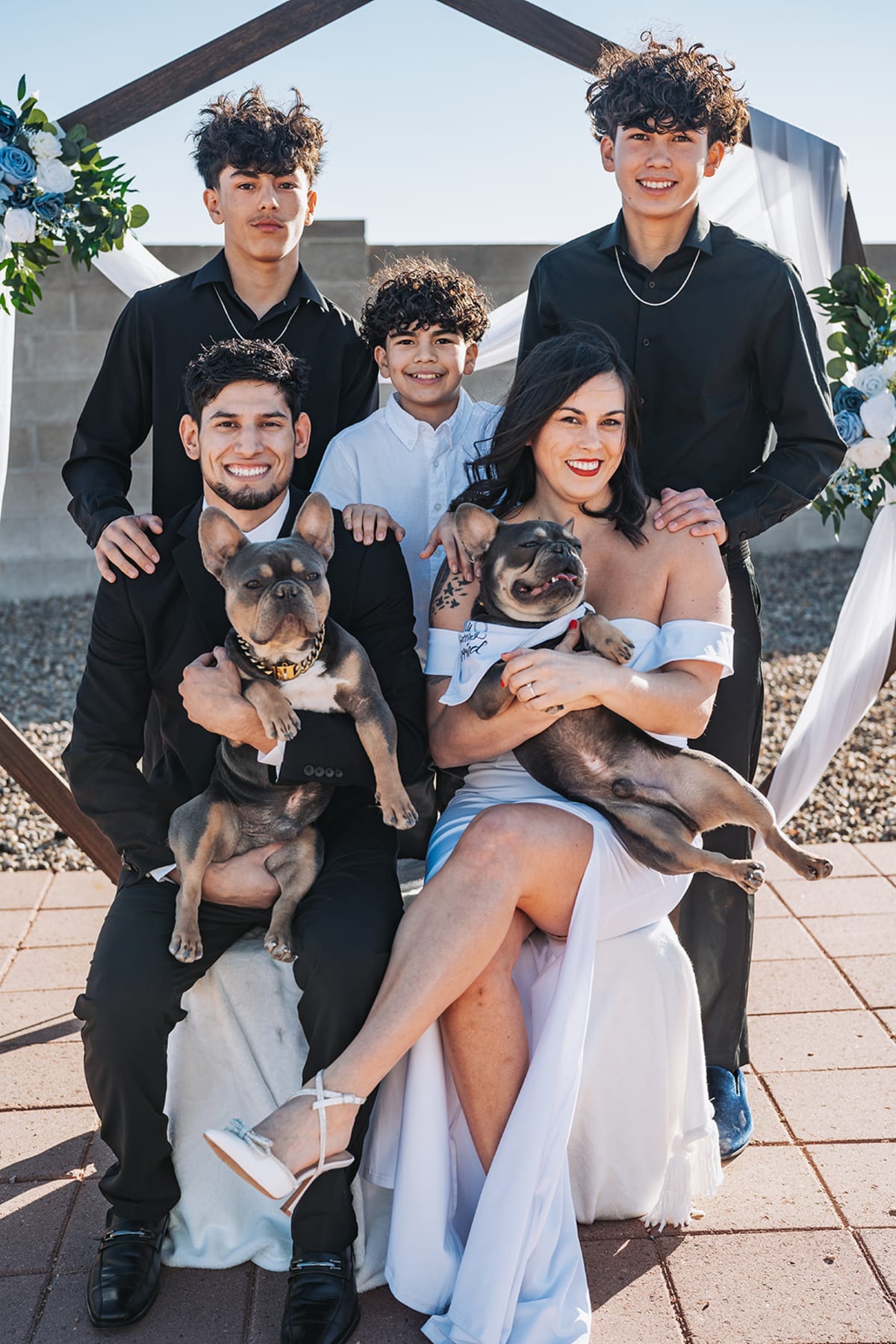
Best Time for Outdoor Weddings in Santa Fe
Spring: March Through May
Spring in Santa Fe is a gamble, and the currency is wind. March and April bring sustained gusts of 30 to 40 mph on otherwise gorgeous days. The sky can be a clean, deep blue at 7,000 feet, the temperature sitting right at 65 degrees, and then a wall of wind tears through your ceremony and sends every veil, every table setting, every carefully placed detail sideways.
I have photographed spring weddings where the wind created genuinely cinematic moments — fabric moving, hair catching sunlight, the whole frame alive. But I have also filmed ceremonies where the officiant's words were completely lost and the couple's eyes were watering from dust. If you book a spring wedding, build in a wind contingency. Choose a venue with a sheltered courtyard or a wall to break the gusts. Late May tends to calm down, and the light is long and warm by then.
The real advantage of spring: availability. Venues are easier to book. Vendor calendars are more open. If budget flexibility matters to you, a May wedding in Santa Fe can be a smart move.
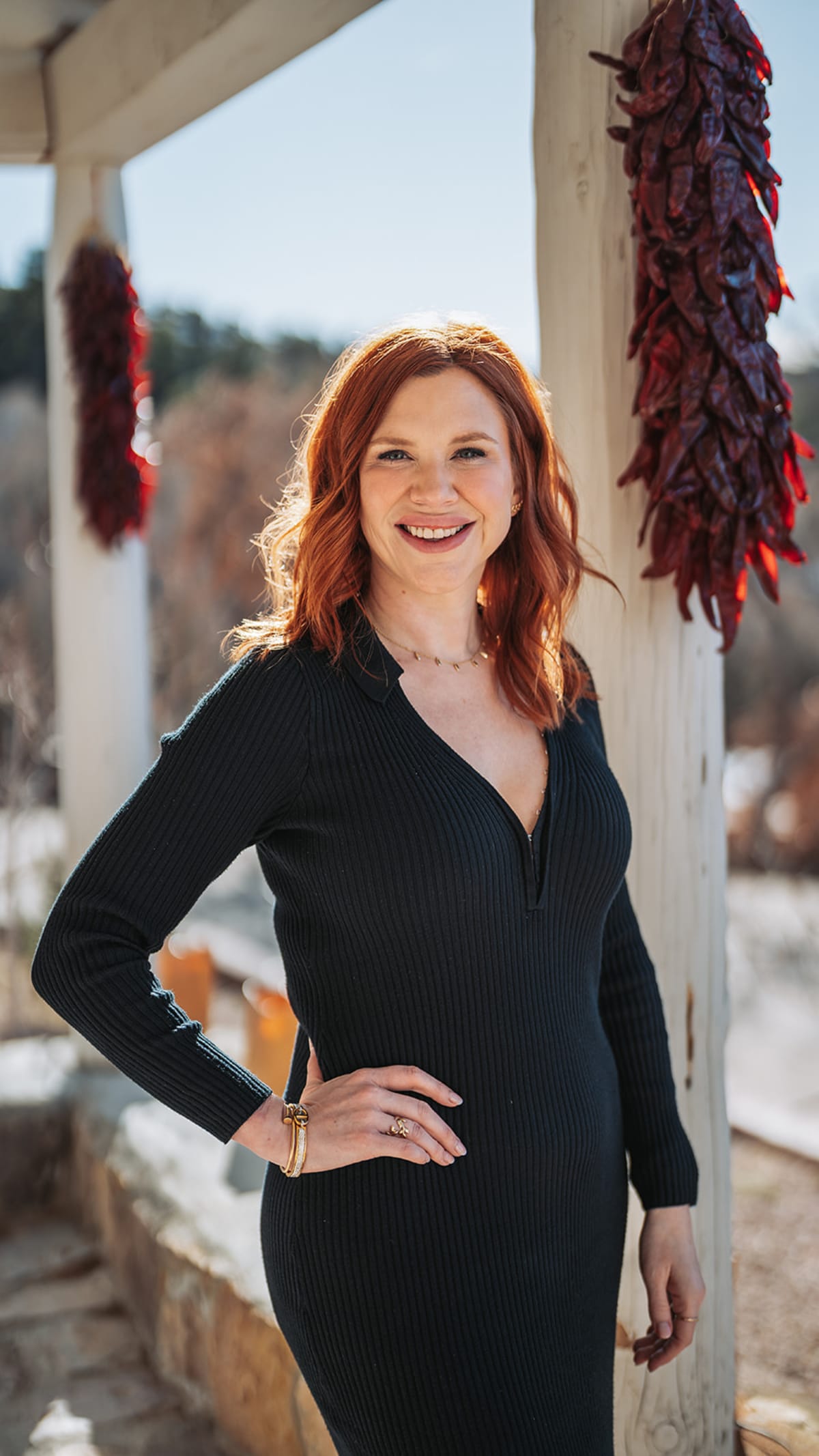
Summer: June Through August
June is, by most metrics, the single best month for an outdoor wedding in Santa Fe. The monsoons have not arrived yet. Daytime temperatures hover between 80 and 85. The sun sets late, giving you a long golden hour that stretches across the Sangre de Cristos in a way that makes everything I point my camera at look like it belongs in a film.
Then July and August arrive, and the monsoons change the equation. Afternoon thunderstorms roll in almost daily between 2:00 and 5:00 pm. They are fast, they are dramatic, and they can drop the temperature 20 degrees in half an hour. I have stood under a portal filming a first dance while rain hammered the courtyard ten feet away. Those are some of my favorite moments on film, but they require a couple who can roll with it.
If you choose a monsoon-season wedding, schedule your ceremony for morning or after 5:00 pm. The clouds that build and break apart during monsoon season create the most painterly skies I photograph all year. There is a reason so many painters settled here. That light is real, and it shows up in photos and video in ways that flat blue sky simply does not.
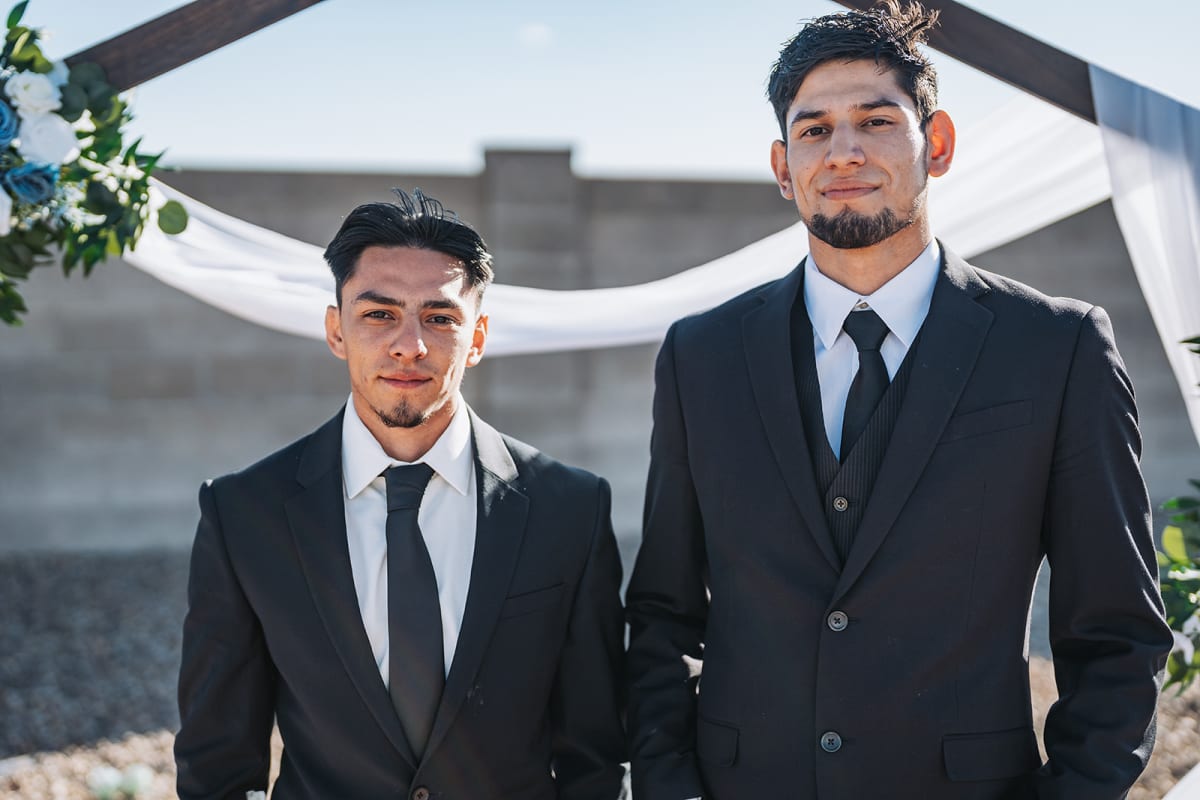
Fall: September Through November
This is the season I recommend most often. September and October in Santa Fe deliver the most consistently beautiful conditions for outdoor weddings. The monsoons taper off in mid-September. Temperatures settle into the 60s and 70s. The cottonwoods along the Santa Fe River and up near Tesuque turn gold in early October, and the aspens on the road to the ski basin peak around the same time.
The light in fall sits lower in the sky, which means golden hour starts earlier and lasts longer. For photo and video work, this is the difference between good and extraordinary. Skin tones warm up. Adobe walls glow. The whole scenery shifts into a palette that feels effortless in the frame.
The tradeoff: everyone knows fall is prime season. Venues book early. Vendor rates may be higher. If you want a fall Saturday at a popular venue like Bishop's Lodge or La Fonda, you may need to secure it 12 to 18 months in advance. A Friday or Sunday ceremony can open up options. Some of the best weddings I have documented have been midweek elopements in October, with nothing but golden cottonwoods and quiet.
Winter: December Through February
Winter weddings in Santa Fe are underrated. The crowds are gone. The light is low and directional from the moment the sun rises until it sets. Snow on the Sangre de Cristos and adobe walls dusted white create a completely different visual story than any other season here — stark, clean, and genuinely dramatic.
The challenge is cold. December and January temperatures can drop into the 20s at night and sit in the 40s during the day. Outdoor ceremonies need to be short and well-timed. Covered portals and indoor-outdoor venues like La Fonda or The Mystic work particularly well for winter. Guests need to know what they are getting into — but the couples who commit to a winter wedding usually end up with images that look unlike any Santa Fe wedding photography I have shot in other seasons.
The Bottom Line
If you want the best odds of good weather, dramatic light, and a full day outdoors without contingency plans: late September or early October. If you want availability and lower costs: May or November. If you want something visually distinctive that most couples overlook: December or January. If you want the longest golden hour of the year: June.
Whatever you choose, build your timeline around the light. Every wedding I photograph in Santa Fe starts the same way — by checking where the sun sets and working backward from there. The light here is not a backdrop. It is a collaborator. Give it the respect it deserves and it will show up in every frame.
If you are planning a Santa Fe wedding and want to talk through timing, venues, and what actually makes sense for your specific situation, reach out. I book a limited number of weddings each year and I take the planning conversations seriously.
Planning a Santa Fe outdoor wedding?
I book a limited number of weddings each year. If you're considering 2026 or 2027, now is the time to reach out.
Get in Touch