


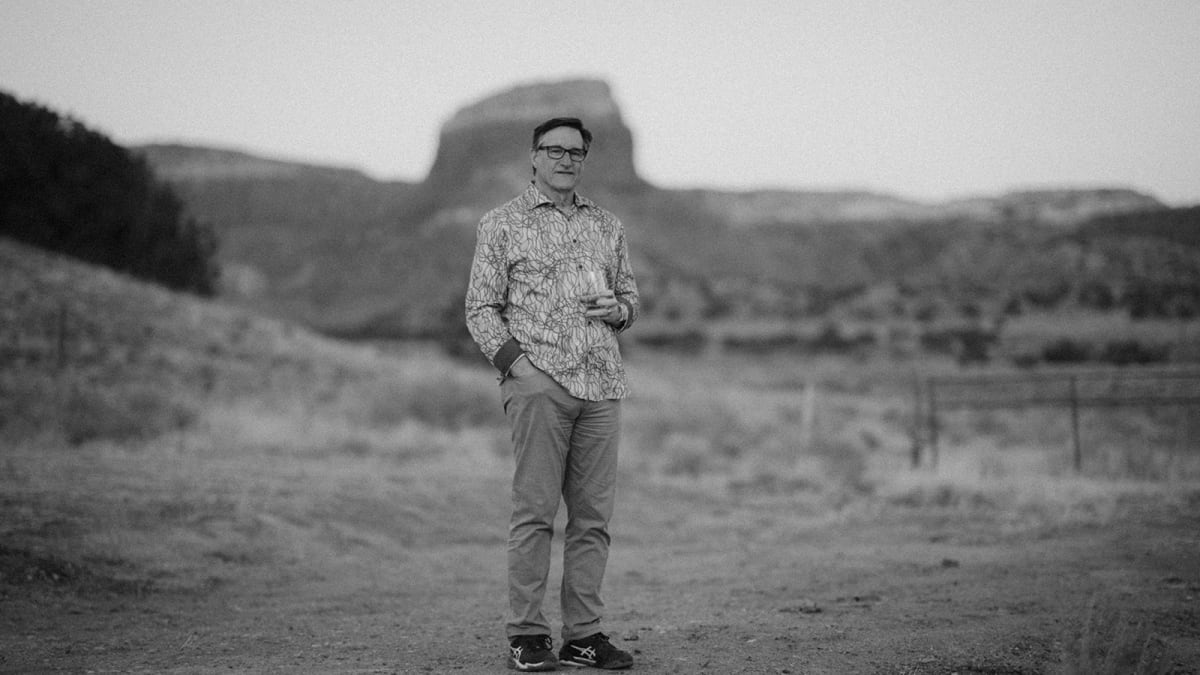
Bishop's Lodge, Santa Fe. Late afternoon light.
Light is everything
Most photography advice starts with gear. What camera, what lens, what settings. None of that matters as much as where the light is and what it's doing to your subject.
During our lessons at Bishop's Lodge, this is the first thing we work on. We walk the property together and I show you how light changes from spot to spot — the covered portal, the chapel doorway, the open lawn. Finding light is the single most important skill in photography.
In New Mexico, you're working with some of the best light in the country. High altitude, clean air, golden hours that last forever. The hard part is not wasting it.
What I teach first: Light coming from one direction. Soft enough to flatter faces, directional enough to give dimension. Open shade is almost always the answer outdoors at Bishop's Lodge.
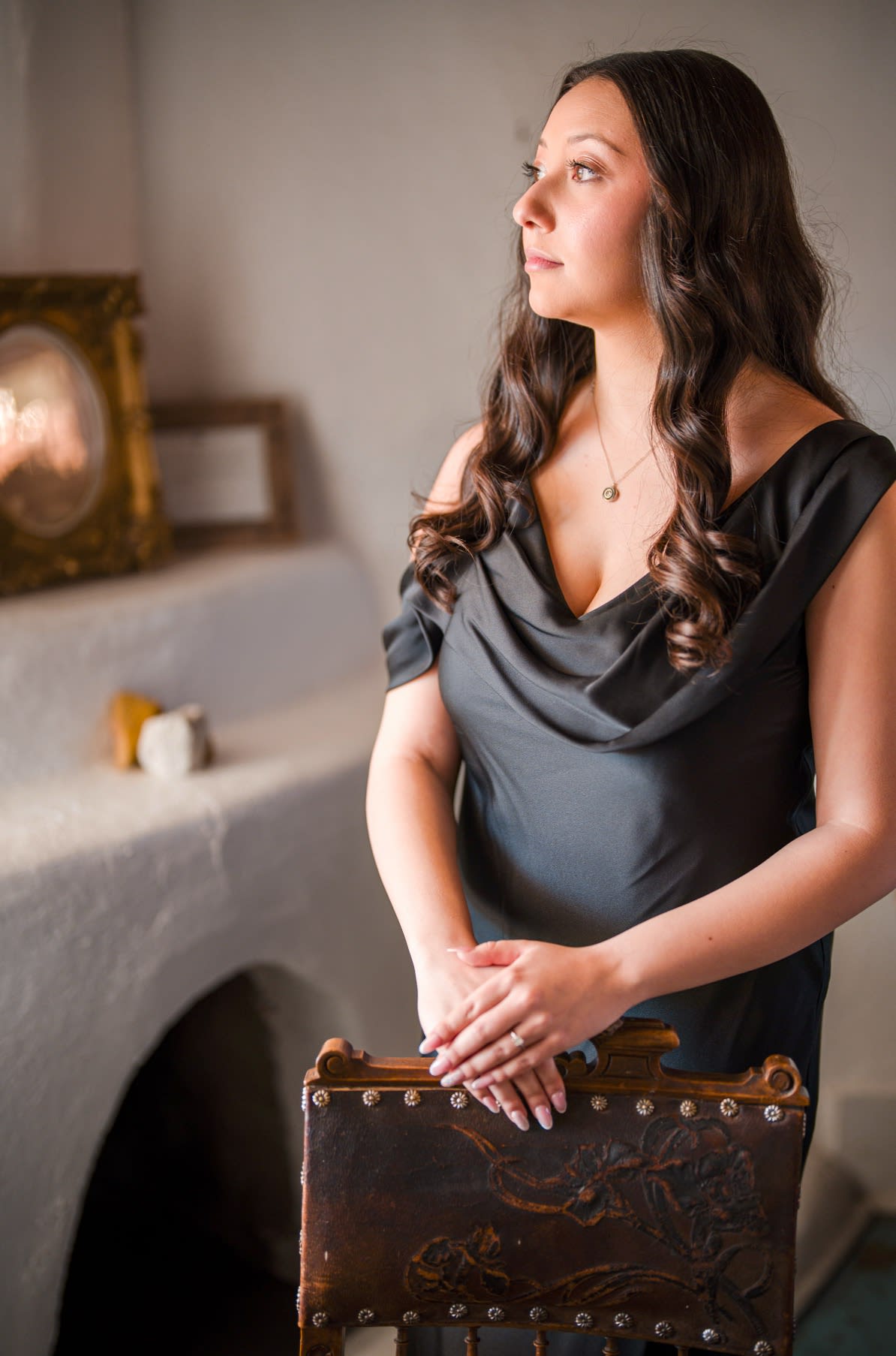
Bishop's Lodge, Santa Fe. Late afternoon light.
Timing beats everything else
The difference between a great photo and a missed one is about two seconds. Either you anticipated where the moment was going, or you didn't.
This is something we practice on-site. I'll have you watch a scene before you raise your camera — where are people looking? What's about to happen? The camera is secondary to that read.
When I shot the first BDE session at Bishop's Lodge, six friends spent two days exploring the property and Ghost Ranch. The best frames weren't the posed ones. They were the in-between moments — someone laughing mid-sentence, a hand reaching for a drink, the way light hit someone's face when they weren't paying attention.
The three things a photo needs
A subject
Sounds obvious. It's not. Most photos have a subject somewhere in the frame but don't commit to them. The background is too busy, the framing is too loose, nothing draws your eye. Every frame should have one clear answer to the question: what is this a picture of?
Separation
Your subject needs to read clearly against whatever is behind them. This is where aperture matters — not for the "bokeh," but for separation. At Bishop's Lodge, we practice this by shooting portraits against the adobe walls, through doorways, under the portal arches. You learn to see how a subject pops when they're separated from the background.
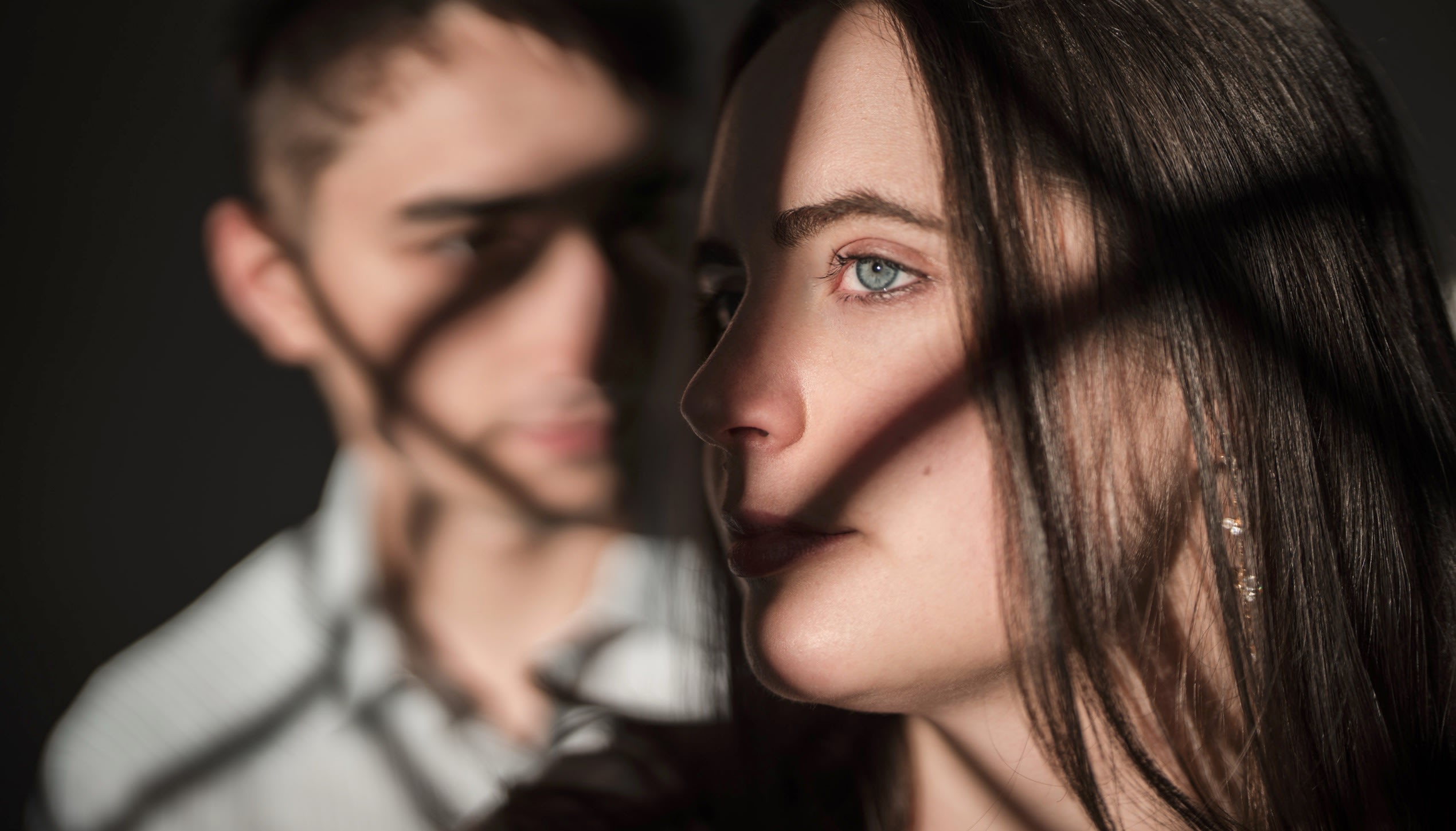
You can also create separation with light. A subject lit from behind or from the side separates from a darker background automatically.
A moment
Even technically perfect photos are forgettable without this. A perfectly exposed, perfectly composed image of someone standing and smiling is still just someone standing and smiling. What's happening in the frame? During the lesson, we work on reading moments before they happen.
On composition
Rule of thirds, leading lines, negative space — all real, all useful, but none of them are rules you follow consciously while shooting. They're patterns your eye learns to see.
The more useful thing to think about: what can I remove from this frame? Every distracting element in the background is competing with your subject. Back up. Move left. Get lower. Find an angle where the scene simplifies.
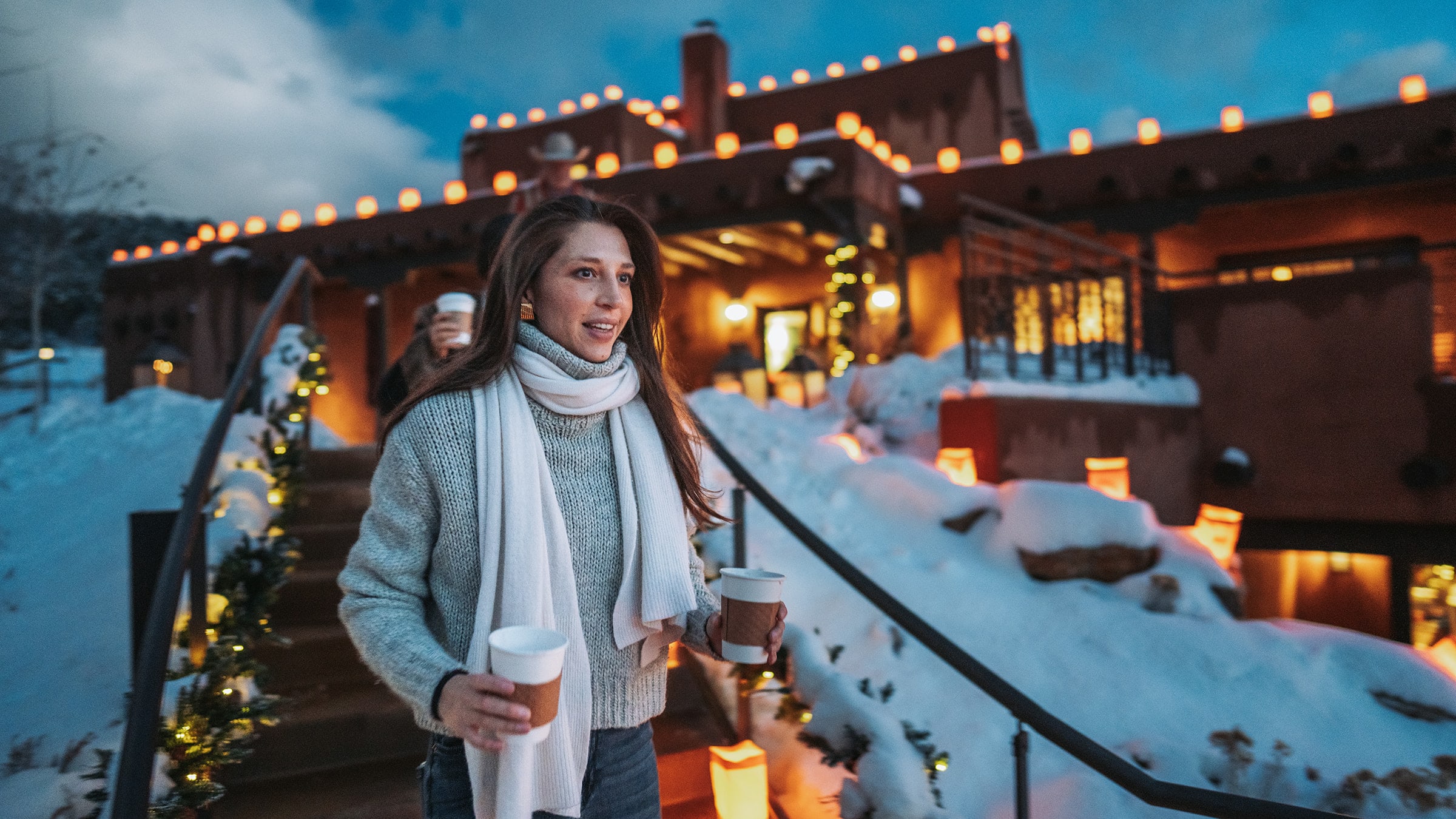
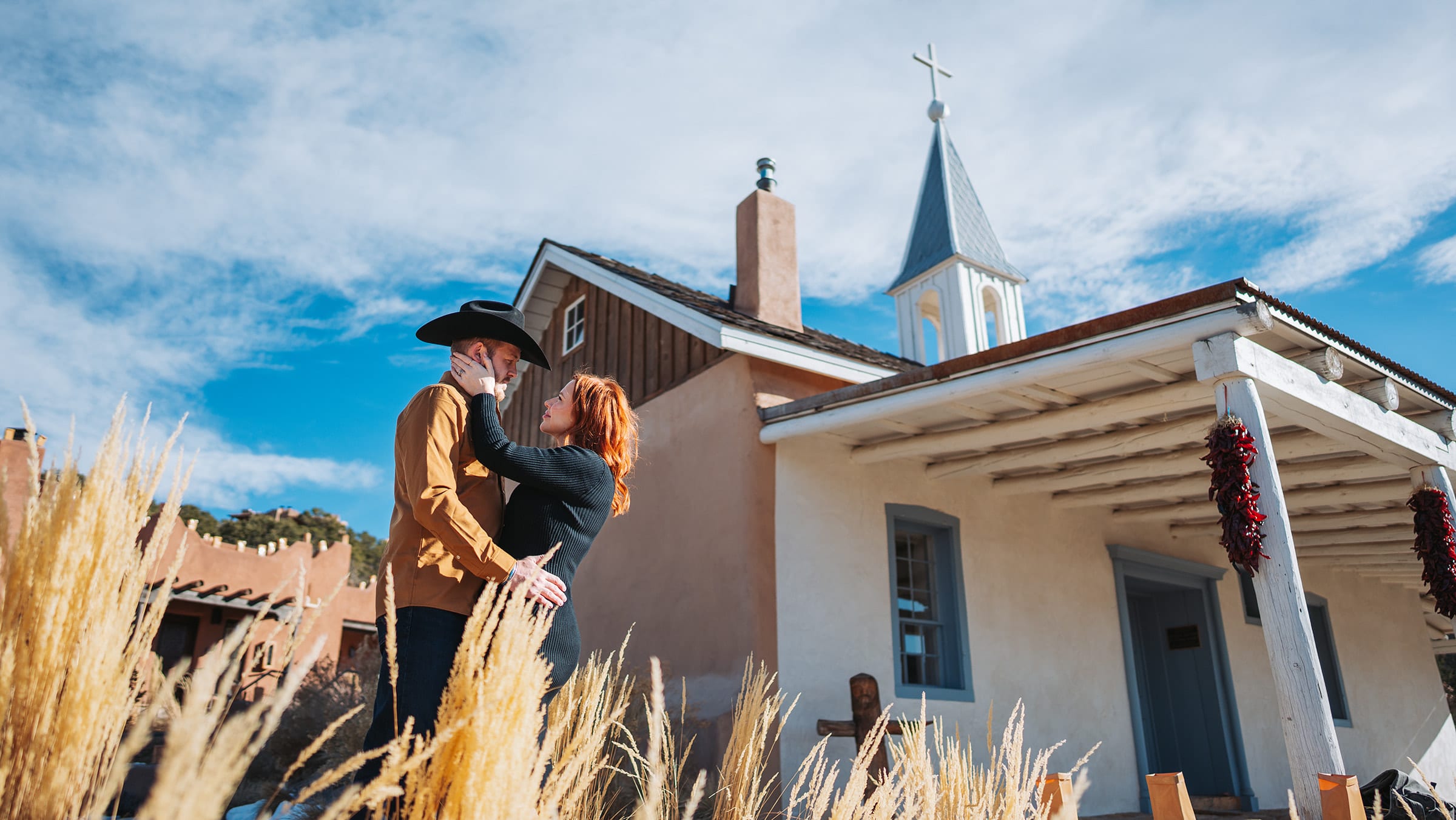
Bishop's Lodge is ideal for this. The architecture gives you natural frames everywhere — arches, doorways, the chapel entrance, the stable doors. During the lesson we walk through each one and I show you how to use them.
Stop overthinking it
The biggest mistake people make when learning photography is doing too much. Fiddling with settings, repositioning constantly, second-guessing every frame. The camera should feel like an extension of your eye, not a math problem.
During the lesson, once we've covered the fundamentals, I give you time to just shoot. Walk the property. Follow what interests you. The stables, the truck, the chapel, the lawn. I'm there to answer questions and give real-time feedback, but the goal is for you to find your own eye.
That's what happened with the first group at Bishop's Lodge. By the second day at Ghost Ranch, they weren't asking me what settings to use. They were chasing light on their own.
None of this is about the camera. I've made photos I like on a phone and thrown away thousands from a full-frame system. The equipment is not the thing.
What you'll walk away with
By the end of the session, you'll understand how to read light, compose a frame, and confidently take a shot.
Lessons run 90 minutes. Small groups or private. We meet at Bishop's Lodge and work through the property at your pace. No experience required. Bring whatever camera you have.
Experiences + Adventures
Photo Adventures
Share This Page
Scan here for this page
addasonphoto.com